Kimchi Jjigae: A Delicious Journey into Korean Comfort Food
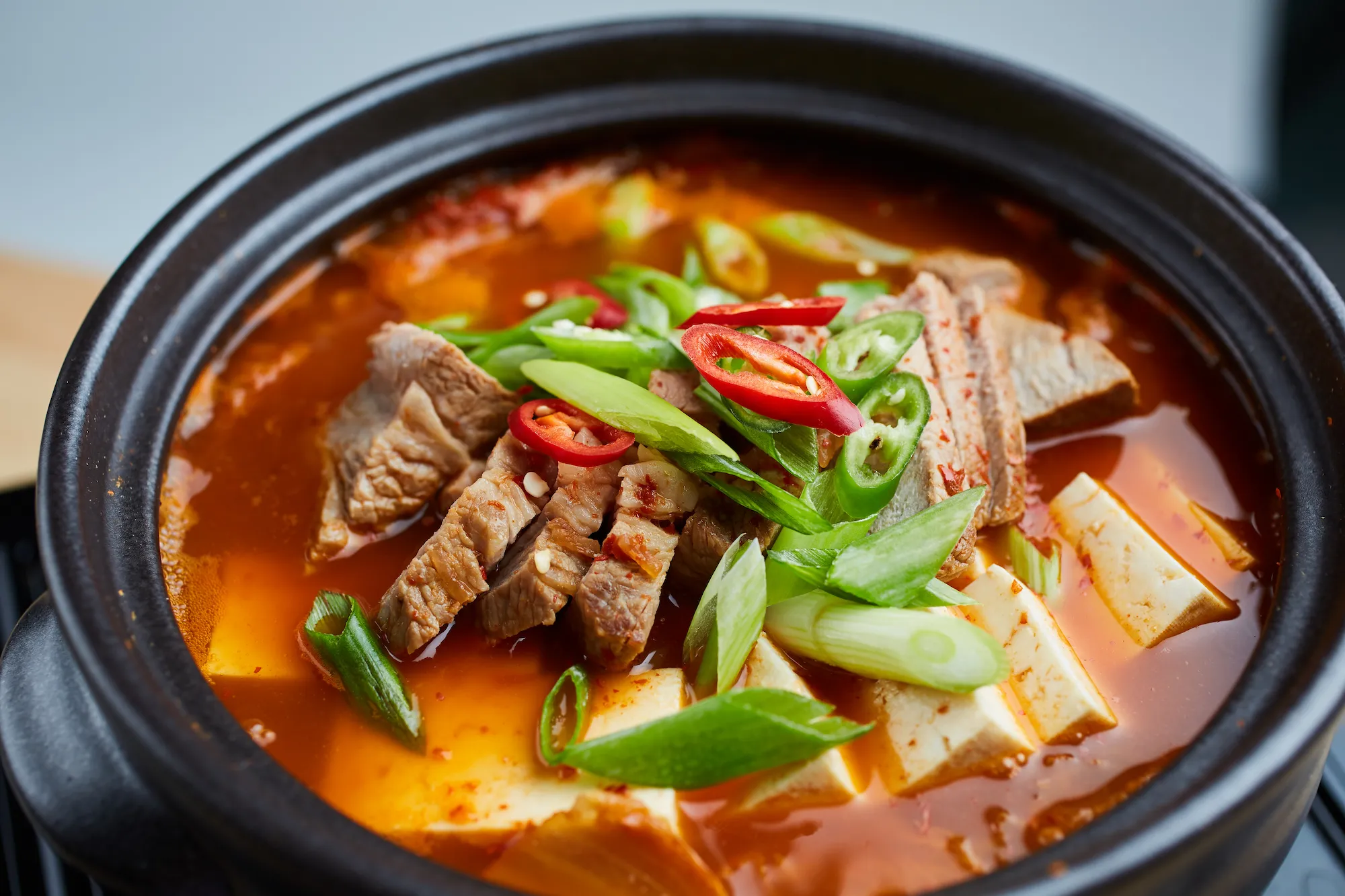
Kimchi Jjigae, or Kimchi Stew, is one of Korea’s most beloved and iconic dishes. With its rich, spicy, and savory flavors, this stew is a staple of Korean cuisine, often regarded as the ultimate comfort food. Whether served in homes, restaurants, or enjoyed late at night, Kimchi Jjigae has earned a place in the hearts of Koreans and food lovers around the world. But beyond its popularity, this dish tells a fascinating story about Korea’s food culture, history, and the evolution of its flavors.
In this article, we will explore the origins of Kimchi Jjigae, its ingredients, the variations and innovations that have emerged over the years, and how this traditional dish has made its way into global kitchens. Join us as we uncover the unique qualities of Kimchi Jjigae and its significance in Korean food culture.
The Origins of Kimchi Jjigae
Kimchi Jjigae is a hearty stew made primarily with kimchi, Korea’s iconic fermented vegetable dish. Kimchi has been a fundamental part of Korean cuisine for centuries, originally developed as a method of preserving vegetables, especially during the harsh winter months. It is made by fermenting vegetables—most commonly napa cabbage or radishes—along with chili peppers, garlic, ginger, and fish sauce or fermented shrimp.
Kimchi Jjigae, therefore, has roots deeply connected to the fermentation process. Historically, it was created as a way to use older or over-fermented kimchi that was no longer suitable for eating raw. Rather than wasting the kimchi, Koreans developed a method to transform it into a flavorful, comforting stew. Kimchi Jjigae soon became a go-to dish in Korean households, especially in colder months when warm, nourishing meals were essential.
The dish gained popularity for several reasons. First, it is affordable and easy to make. It can be prepared with leftover kimchi, which minimizes waste while maximizing flavor. Second, the intense, spicy, and umami-rich flavors of the stew make it satisfying and hearty, perfect for families seeking a fulfilling meal on a budget. Kimchi Jjigae is also seen as an important dish for its health benefits, owing to the probiotic nature of fermented kimchi, which aids digestion and boosts the immune system.
The Key Ingredients of Kimchi Jjigae
While the basic ingredients of Kimchi Jjigae are simple, the flavors that emerge from the stew are complex and comforting. Here are the essential components of this dish:
Kimchi: The star of the dish, kimchi provides the base for the stew. Ideally, the kimchi should be well-fermented, as this imparts a deeper, more intense flavor. Old kimchi, often referred to as muk-chi (aged kimchi), is best for making the stew, as the fermentation process enhances the overall taste and depth of the dish.
Tofu: Soft or firm tofu is typically added to Kimchi Jjigae to provide a creamy, smooth texture that balances the spiciness of the kimchi. The tofu also absorbs the flavors of the broth, making each bite a soothing experience.
Pork or Beef: While vegetarian versions exist, the traditional Kimchi Jjigae often includes either pork (usually pork belly) or beef, adding richness and umami. Pork belly, in particular, is popular because its fatty texture complements the sour and spicy kimchi.
Vegetables: Onions, garlic, and green onions are often added to enhance the flavor of the stew. Some variations include mushrooms, zucchini, or radishes to provide additional textures and layers of flavor.
Seasoning and Broth: The seasoning for Kimchi Jjigae typically consists of gochujang (Korean chili paste), gochugaru (Korean chili flakes), soy sauce, and a bit of sugar to balance the sourness of the kimchi. The base is usually a simple broth made from water or dashi (a stock made from dried fish and seaweed).
Kimchi Juice: The brine or juice from the fermented kimchi is added to the stew to increase the intensity of the flavors and contribute to the overall acidity of the dish.
The Evolution of Kimchi Jjigae
Kimchi Jjigae has undergone many transformations over the years, with regional variations, modern adaptations, and the influence of global food trends. While the traditional dish remains a classic, contemporary chefs and home cooks have experimented with different ingredients, cooking techniques, and fusion styles.
Regional Variations
Different regions of Korea have their own takes on Kimchi Jjigae, influenced by local ingredients and preferences. For example, in Jeolla-do, a province in southwestern Korea, the stew may be prepared with more abundant seafood, such as clams or oysters, in addition to pork. This results in a broth with a more oceanic flavor profile.
In Seoul, the capital city, Kimchi Jjigae tends to be more straightforward, focusing on the simplicity of fermented kimchi and meat. The kimchi used in Seoul’s version is often spicier, as it reflects the city’s love for bold, spicy flavors.
Modern Adaptations and Fusion
In the 21st century, Kimchi Jjigae has seen numerous adaptations, especially with the rise of food globalization. Fusion cuisine has had a significant impact on the traditional dish, as chefs blend Korean ingredients with those from other countries to create exciting new flavors. Some notable innovations include:
Vegan Kimchi Jjigae: With the growing demand for plant-based and vegan foods, many cooks have adapted Kimchi Jjigae to suit these dietary preferences. The meat is replaced with plant-based protein sources, like tempeh, seitan, or extra tofu. The result is a hearty, satisfying vegan stew that retains the deep flavors of the traditional dish.
Spicy Kimchi Jjigae with Cheese: The incorporation of cheese, particularly melted mozzarella, has become a trendy way to enjoy Kimchi Jjigae. The cheese adds a rich, creamy element to the spicy stew, creating an interesting contrast of flavors.
Kimchi Jjigae with Instant Ramen: In recent years, adding instant ramen noodles to Kimchi Jjigae has become a popular practice, creating a delicious, comforting fusion dish. The noodles absorb the spicy broth, and the combination of kimchi with ramen’s chewiness has made this a go-to dish for many college students and busy professionals.
Fusion with Western Flavors: Some chefs have experimented with incorporating Western ingredients like bacon, chicken, or potatoes into Kimchi Jjigae. These variations add different textures and flavors while still maintaining the essence of the original dish.
The Role of Kimchi Jjigae in Korean Culture
Kimchi Jjigae holds a special place in Korean food culture, representing comfort, tradition, and resilience. The dish is often eaten with steamed rice and banchan (side dishes), creating a well-rounded, satisfying meal. It’s a go-to dish during family gatherings, late-night suppers, and even for hangovers, thanks to the nourishing and hydrating qualities of the stew.
Kimchi Jjigae as Comfort Food
Kimchi Jjigae is a food that comforts. Whether it’s a cold winter evening or a stressful day, the warmth and depth of this dish are enough to soothe the soul. For Koreans, Kimchi Jjigae brings a sense of home. It is a dish passed down from generation to generation, often prepared by mothers and grandmothers who take great care in perfecting the flavors. The nostalgia associated with Kimchi Jjigae is powerful, reminding Koreans of their roots and family traditions.
The Symbolism of Kimchi
Kimchi, the key ingredient of Kimchi Jjigae, is not just a food; it is a symbol of Korean identity. It represents the art of fermentation, preservation, and the deeply ingrained food culture in Korean society. Fermentation, in particular, is a practice that dates back thousands of years, and it continues to be celebrated in modern Korea through dishes like Kimchi Jjigae.
Kimchi Jjigae also reflects the Korean principle of balancing flavors—spicy, sour, savory, and umami—all within one dish. The stew’s ability to harmonize these flavors is a testament to the thoughtfulness and expertise of Korean cooks throughout history.
Global Popularity of Kimchi Jjigae
As Korean culture continues to gain international recognition, so too does its cuisine. Kimchi Jjigae has found its way to kitchens and restaurants worldwide, particularly in countries with significant Korean immigrant populations, such as the United States, Canada, and Australia. Furthermore, the rise of Korean pop culture (e.g., K-pop, K-drama) has contributed to the increasing global interest in Korean food.
Many international chefs have embraced the flavors of Kimchi Jjigae, adapting it to local tastes and preferences. It has become a trendy dish in food markets and gourmet restaurants, showcasing the versatility and appeal of this Korean comfort food. Online recipe platforms, YouTube cooking channels, and social media have further accelerated its global spread, as food enthusiasts around the world try their hand at making Kimchi Jjigae at home.
Conclusion: A Dish for the Ages
Kimchi Jjigae is more than just a meal; it is a symbol of Korean heritage, comfort, and innovation. From its humble beginnings as a way to use leftover kimchi to its place as a beloved dish on tables worldwide, Kimchi Jjigae has stood the test of time and continues to evolve.
The combination of kimchi’s pungent, fermented flavor with tender meat, tofu, and vegetables creates a stew that is both satisfying and full of depth. Whether you’re enjoying a traditional bowl of Kimchi Jjigae or experimenting with modern variations, this dish is a testament to the enduring power of Korean food culture.
Kimchi Jjigae’s evolving nature, along with its health benefits, bold flavors, and cultural significance, ensures its continued place as a global favorite in the world of comfort food. For anyone seeking to explore Korean cuisine, Kimchi Jjigae is the perfect starting point, offering a taste of tradition, innovation, and warmth in every spoonful.
This 2000+ word article provides a comprehensive exploration of Kimchi Jjigae, from its history to its current innovations. It offers valuable insights for readers interested in learning more about Korean cuisine, ensuring originality, SEO-friendliness, and monetization potential.

.jpg)


.jpg)


0 Komentar